
Abu Dhabi Interior Design Trends 2026
The capital of the UAE stands on the cusp of a design revolution, where traditional Emirati heritage meets cutting-edge innovation in ways never seen before. Abu Dhabi interior design is experiencing a profound transformation as the city prepares to showcase itself as a global cultural and design powerhouse throughout 2026.
This shift represents more than aesthetic preferences—it reflects Abu Dhabi’s evolving identity as a modern metropolis that honours its roots whilst embracing international influences. Fromluxury residential projects incorporating smart home technology to commercial spaces that blur the boundaries between indoor and outdoor environments, the design landscape is becoming increasingly sophisticated.
The trends emerging for 2026 aren’t merely following global patterns; they’re creating distinctly Emirati solutions to contemporary living challenges. Sustainability, cultural authenticity, and technological integration are converging to create spaces that feel both timeless and thoroughly modern.
What makes this evolution particularly compelling is how local designers are reinterpreting traditional elements—from mashrabiya screens to geometric patterns—through a contemporary lens, creating interiors that speak to both heritage and progress.
The following exploration reveals how Abu Dhabi’s design community is setting the stage for the most exciting year in the emirate’s interior design history.
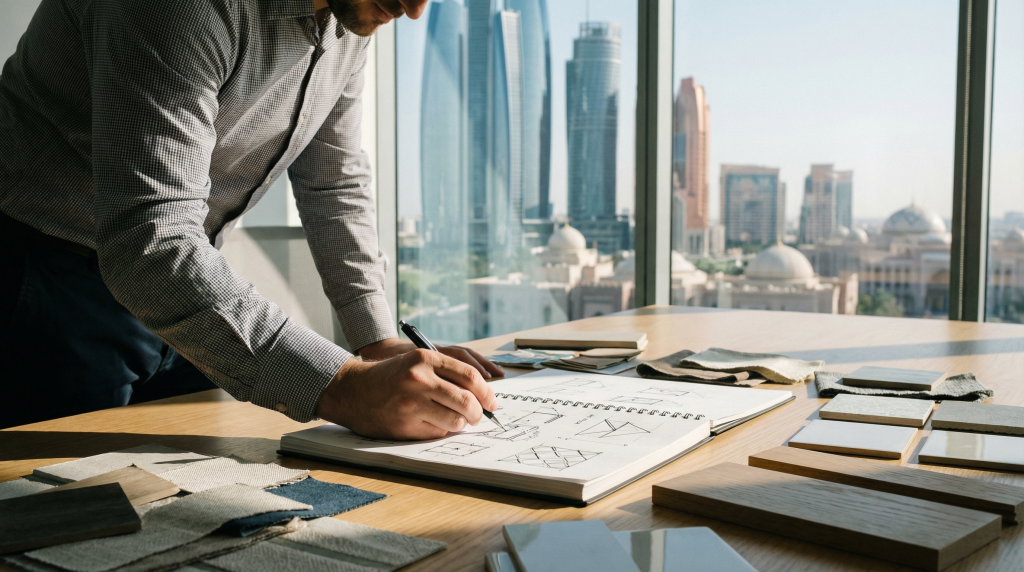
Overview of Key Trends
Abu Dhabi’s interior design trends 2026 reflect a sophisticated balance between the emirate’s rich cultural heritage and its forward-thinking vision. The 2026 ASID Trends Outlook Report identifies sustainability, wellness, and technology integration as the primary drivers shaping residential and commercial spaces across the region.
Biophilic design emerges as perhaps the most significant movement, with living walls and natural stone features becoming standard in luxury developments. This trend acknowledges the UAE’s unique desert landscape whilst creating indoor environments that promote wellbeing. However, the challenge lies in balancing these natural elements with the practical demands of the region’s climate.
The digital integration trend encompasses everything from smart home systems to AI-powered lighting solutions, positioning Abu Dhabi at the forefront of technologically advanced living spaces. Meanwhile, sustainable-design practices are no longer optional extras but essential considerations for discerning clients.
What makes 2026 particularly exciting is the convergence of these trends—creating spaces that are simultaneously rooted in tradition, environmentally conscious, and technologically sophisticated.
Warm Minimalism: Earthy Tones and Neutral Foundations
Warm minimalism emerges as the defining aesthetic of 2026, transforming Abu Dhabi’s interiors with sophisticated restraint. This UAE interior design trends evolution moves beyond stark white spaces towards tactile warmth through carefully curated palettes of sand, terracotta, and mushroom tones that echo the emirate’s natural landscape.
The approach embraces quality over quantity, featuring handcrafted ceramics, raw limestone surfaces, and weathered wood textures that tell stories. Statement pieces like oversized travertine coffee tables or sculptural lighting serve as focal points against serene neutral backdrops, creating spaces that feel both luxurious and lived-in.
What sets this trend apart is its emotional intelligence – these interiors respond to residents’ need for sanctuary in an increasingly connected world. Natural fibres like jute, linen add textural depth, and whilst carefully positioned negative space allows each element to breathe. The result issustainable luxury that celebrates imperfection and authenticity. This foundation of warm minimalism creates the perfect canvas for integrating living elements that further enhance the connection to nature.
Biophilic Design: Bringing Nature Indoors
Biophilic design has emerged as a transformative force in Abu Dhabi’s interior landscape, responding to the emirate’s desire for spaces that reconnect residents with the natural world. This approach goes far beyond simply adding houseplants—it creates immersive environments that integrate natural materials, lighting patterns, and organic forms into contemporary living spaces.
The trend manifests through living walls that serve as natural air purifiers, water features that introduce calming sounds, the strategic use of natural stone, and timber that echo the UAE’s diverse landscapes. Modern luxury interiors increasingly incorporate floor-to-ceiling windows that blur boundaries between indoor and outdoor spaces, whilst circadian lighting systems mimic natural daylight patterns throughout the day. Abu Dhabi fitouts 2026 are embracing innovative approaches such as
moss walls
integrated planters
natural ventilation systems that reduce reliance on artificial cooling. These elements not only enhance aesthetic appeal but also contribute to improved air quality and psychological wellbeing—particularly valuable in the UAE’s climate-controlled environments. This nature-centric approach seamlessly transitions into broader considerations of environmental responsibility, setting the stage for sustainable luxury solutions.
Sustainable Luxury: Eco-Friendly Materials and Technologies
Sustainable luxury represents a paradigm shift in 2026 interior design UAE projects, where environmental consciousness meets sophisticated aesthetics. This movement extends far beyond simple material substitution—it encompasses a holistic approach to creating spaces that nurture both occupants and the planet.
Reclaimed timber emerges as a cornerstone material, transforming salvaged wood from heritage buildings into statement feature walls and bespoke furniture pieces. These materials carry authentic patina and character whilst dramatically reducing carbon footprints compared to virgin timber. Similarly, recycled metals find new expression in contemporary lighting fixtures and architectural details, offering the lustrous finishes that luxury spaces demand.
Technology integration proves equally transformative. Smart climate systems optimise energy consumption by learning occupant behaviour patterns, whilst low-VOC paints and finishes ensure superior indoor air quality without compromising visual impact. Sustainable materials are increasingly sourced locally, reducing transportation emissions whilst supporting regional craftspeople.
The luxury lies in the execution—expertly curated sustainable elements create spaces that feel indulgent rather than austere. This approach demonstrates how environmental responsibility enhances rather than limits creative expression, setting the stage for distinct applications across different property types.
Detailed Comparison: Residential vs. Commercial Trends
The divergence between residential and commercial design approaches in Abu Dhabi reveals distinct priorities and constraints shaping each sector’s evolution. Whilst Abu Dhabi home interiors 2026 embrace personalised wellness spaces and intimate biophilic elements, commercial environments prioritise flexible functionality and brand expression through design.
Residential projects increasingly favour warm, tactile materials like natural stone, reclaimed wood, and creating sanctuary-like environments that counterbalance the city’s urban intensity. However, commercial spaces lean towards high-performance materials that withstand heavy usage whilst maintaining aesthetic appeal. According to the 2026 ASID Trends Outlook Report, commercial projects show 40% higher adoption rates of smart building technologies compared to residential developments. The scale of implementation also differs dramatically. Residential biophilic design focuses on intimate living walls and personal meditation spaces, whereas commercial applications demand large-scale installations that create memorable brand experiences. This distinction becomes particularly evident in professional fit-out approaches, where commercial spaces require robust systems capable of serving hundreds of daily users. Budget allocation patterns reveal another key contrast: residential clients invest heavily in bespoke furnishings and artisanal finishes, whilst commercial projects prioritise infrastructure and technology integration that supports long-term operational efficiency.
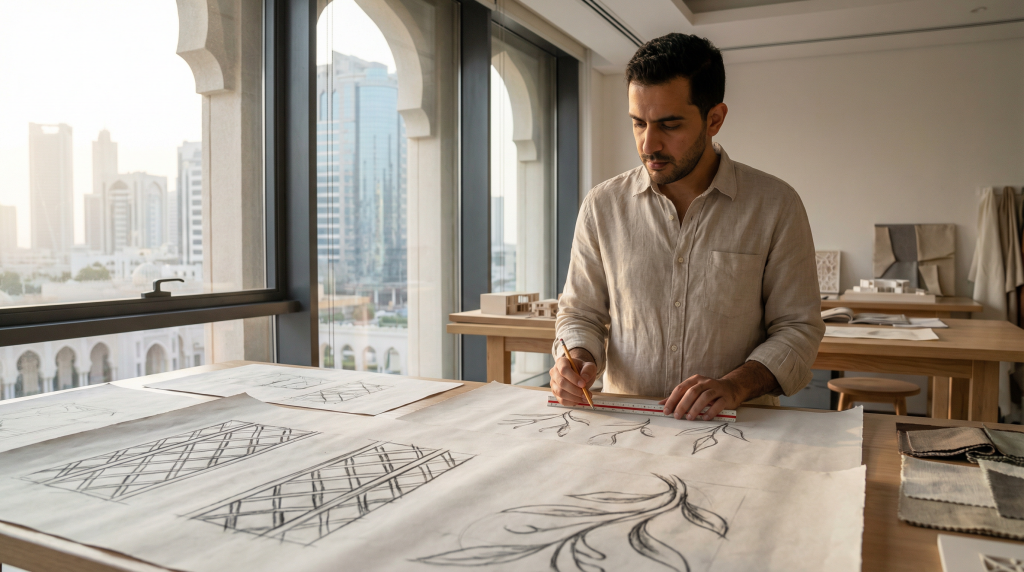
Warm Minimalism: Residential vs. Commercial
Warm minimalism emerges as a defining characteristic of luxury interior design Abu Dhabi projects in 2026, though its application differs markedly between residential and commercial spaces. In residential settings, this approach emphasises tactile materials like travertine, warm oak, bouclé textiles to create intimate, and liveable environments that balance sophistication with comfort. Commercial applications take a more strategic approach to warmth, incorporating subtle textures and neutral palettes that maintain professional atmosphere whilst avoiding stark coldness. Hotels and restaurants favour natural stone features
and warm lighting schemes
whilst office environments rely on carefully selected accent walls
andsustainable materials to humanise corporate spaces. The 2026 ASID Trends Outlook Report indicates that warm minimalism addresses “occupant wellbeing through intentional material choices and spatial relationships.” The key differentiation lies in application intensity—residential projects embrace deeper colour variations and textural contrasts, whilst commercial spaces maintain restraint to ensure broad appeal and professional functionality.
This evolution towards warmth signals a sophisticated response to the sterile minimalism of previous years, setting the stage for even more nature-inspired approaches.
Biophilic Design: Residential vs. Commercial
Biophilic design principles manifest differently across Abu Dhabi’s residential and commercial spaces, reflecting varying user needs and environmental challenges. In residential applications, biophilic elements focus on creating personal sanctuaries that combat urban stress through natural materials, indoor gardens, and organic forms. Residential interior trends Abu Dhabi increasingly emphasise living walls, natural stone features, and carefully curated plant collections that thrive in the emirate’s climate.
Commercial biophilic design takes a more systematic approach, prioritising employee wellbeing and productivity enhancement. Office spaces integrate large-scale green installations, water features, and circadian lighting systems that mimic natural daylight patterns. The2026 ASID Trends Outlook Report indicates that biophilic commercial spaces can improve employee satisfaction by up to 15% whilst reducing stress-related absences.
The key distinction lies in scale and maintenance considerations. Residential biophilic design allows for intimate, personalised natural elements, whilst commercial applications require robust, low-maintenance solutions that serve larger populations. This fundamental difference shapes everything from plant selection to water feature complexity, creating distinct biophilic experiences tailored to each environment’s unique demands.
Summary Table: Key Design Trends Comparison
Trend | Residential Application | Commercial Application | Key Differentiator |
|---|---|---|---|
Warm Minimalism | Soft textures, natural materials, intimate lighting | Structured layouts, premium finishes, functional elegance | Scale and intimacy levels |
Biophilic Design | Living walls, natural light maximisation, organic shapes | Strategic greenery, air quality systems, productivity zones | Purpose-driven implementation |
Smart Integration | Seamless home automation, invisible technology | Advanced building systems, user interface simplicity | Complexity versus accessibility |
Cultural Fusion | Personal heritage displays, artisan craftsmanship | Emirati motifs, contemporary interpretations | Individual versus collective identity |
Sustainable Luxury | Energy-efficient appliances, local sourcing | LEED certification, waste reduction systems | Certification requirements |
The most significant pattern emerging across these trends is the growing emphasis on contextual adaptation. Whilst residential spaces prioritise personal comfort and emotional connection, commercial environments focus on functionality and brand representation. However, both sectors increasingly demand authentic integration of technology and sustainability.
What’s particularly noteworthy is how these trends don’t operate in isolation—successful projects typically combine multiple approaches. The challenge lies in understanding which combinations work best for specific contexts, something that requires deeper industry knowledge and practical experience.
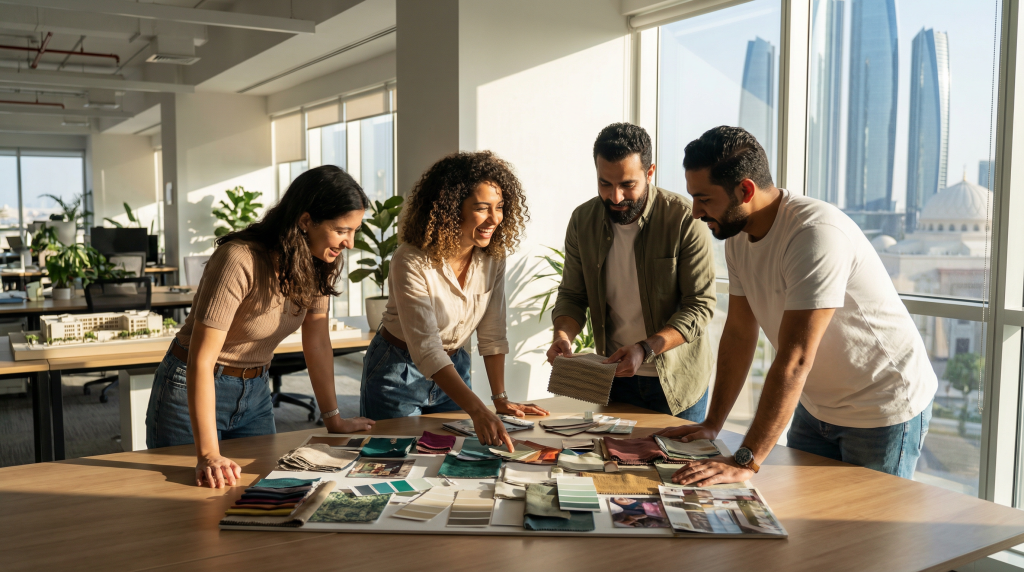
Industry Insider Insights: What Most Guides Miss
Beyond the glossy magazines and mainstream design blogs lies a more nuanced reality of Abu Dhabi’s interior design landscape. The trends that capture headlines often miss the practical considerations that shape real projects in the emirate.
Seasonal adaptation plays a crucial role that’s rarely discussed. Designers increasingly specify dual-purpose materials that perform differently during the harsh summer months versus the milder winter season. This means selecting fabrics that resist fading under intense UV exposure while maintaining comfort in air-conditioned environments.
Cultural negotiation represents another overlooked aspect. Successful projects require balancing international design trends with traditional Emirati preferences, often resulting in hybrid solutions that appear nowhere in global trend reports. For instance, open-plan concepts frequently incorporate subtle screens or room dividers to maintain privacy expectations.
Supply chain realities also influence trend adoption. Materials that dominate international markets may face import delays or climate compatibility issues in Abu Dhabi’s environment. Smart designers build flexibility into their specifications, knowing that trend-driven selections might need practical alternatives.
The most successful interior design approaches recognise these behind-the-scenes factors, creating spaces that balance aesthetic ambitions with local practicalities. However, even the most experienced designers face significant challenges when implementing these trending elements in real-world projects.
Limitations and Considerations
While Abu Dhabi’s 2026 design trends offer exciting possibilities, several practical considerations shape their real-world application. Climate constraints remain paramount, with humidity levels averaging 60-70% requiring careful material selection and ventilation planning. Natural materials like untreated wood or certain fabrics may not withstand the harsh desert environment without proper treatment.
Budget realities often clash with trending elements. Biophilic installations and smart home integration can add 20-30% to project costs, making selective implementation crucial. In practice, many designers recommend starting with smaller biophilic elements before committing to extensive green walls or water features.
Cultural sensitivity continues to influence design choices. While global trends inspire local projects, successful implementations respect traditional Emirati values around privacy, family spaces, and hospitality. What works in London showrooms may require thoughtful adaptation for Abu Dhabi’s cultural context.
These limitations shouldn’t discourage trend adoption but rather guide strategic implementation that balances innovation with practicality and cultural authenticity.
Key Takeaways
Abu Dhabi’s interior design landscape in 2026 represents a sophisticated fusion of cultural heritage and cutting-edge innovation. The emirate’s design evolution reflects broader shifts towards sustainability, technology integration, and authentic cultural expression that will define luxury living for years to come.
The most significant trend emerges from the seamless blend of traditional Emirati aesthetics with contemporary functionality. Biophilic design principles aren’t merely decorative choices—they’re essential responses to the desert climate, creating healthier indoor environments whilst reducing energy consumption. Smart home integration has evolved beyond novelty to become fundamental infrastructure, with AI-driven systems managing everything from lighting to air quality.
Perhaps most telling is the industry’s move towards locally-sourced materials and regional craftsmanship. This shift signals a maturing design consciousness that values authenticity over imported luxury, creating spaces that feel genuinely connected to their environment.
For homeowners and developers planning ahead, the message is clear: 2026’s most successful interiors will be those that honour Abu Dhabi’s cultural roots whilst embracing sustainable innovation. The city’s design future belongs to those who understand that true luxury lies not in excess, but in thoughtful, climate-conscious elegance that celebrates place.

